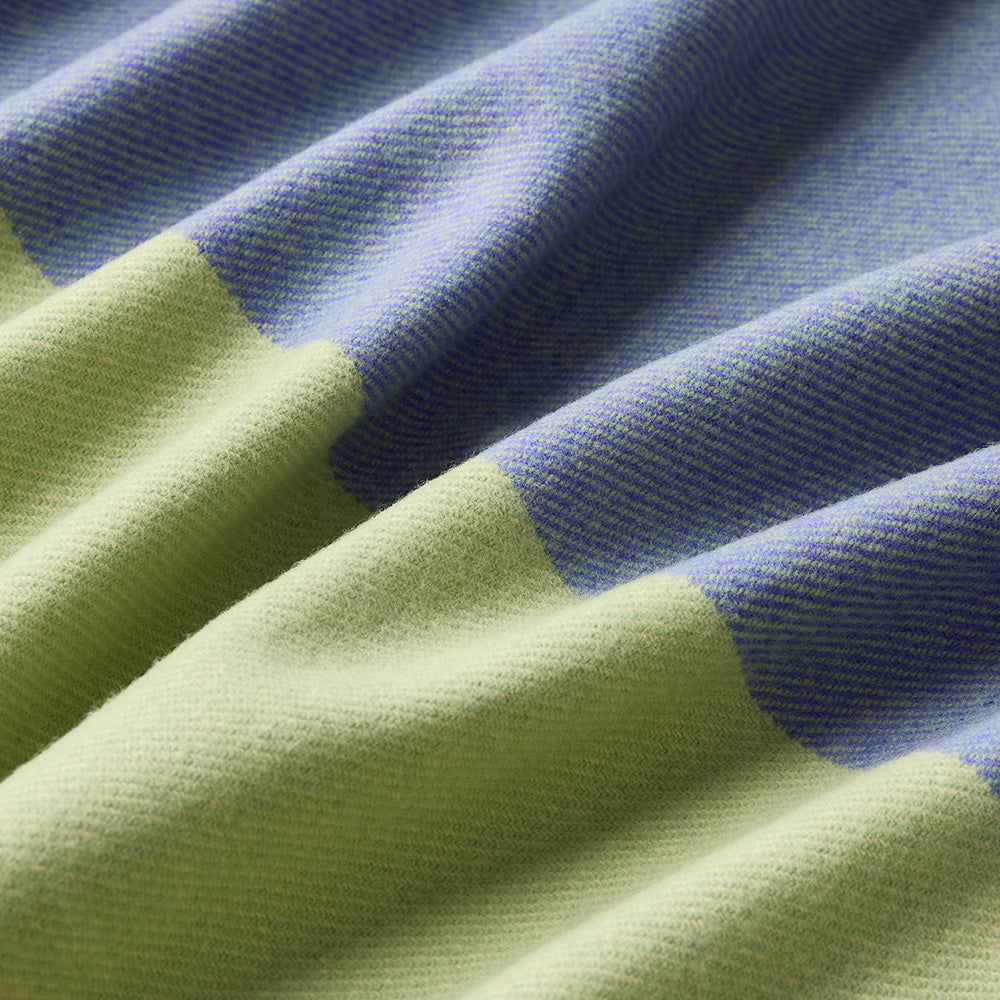
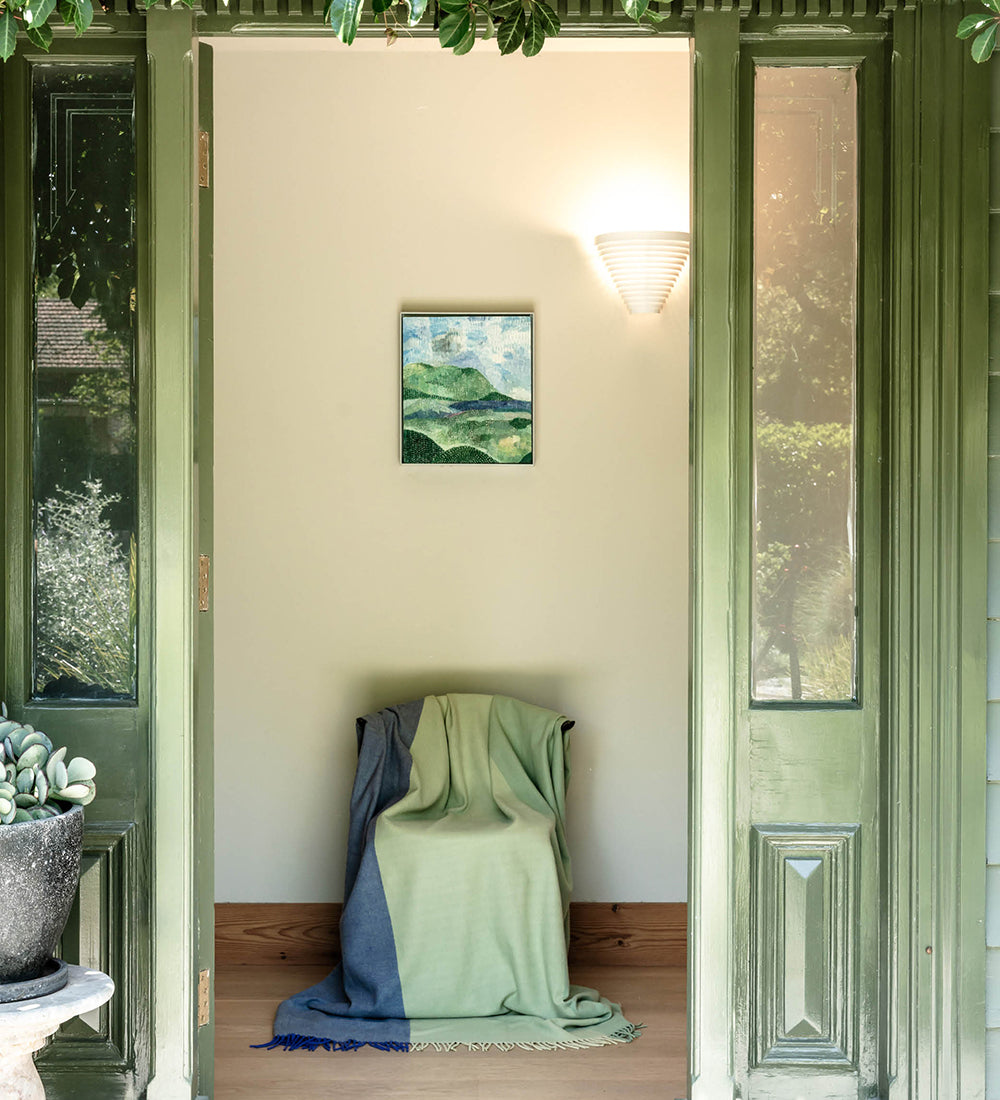
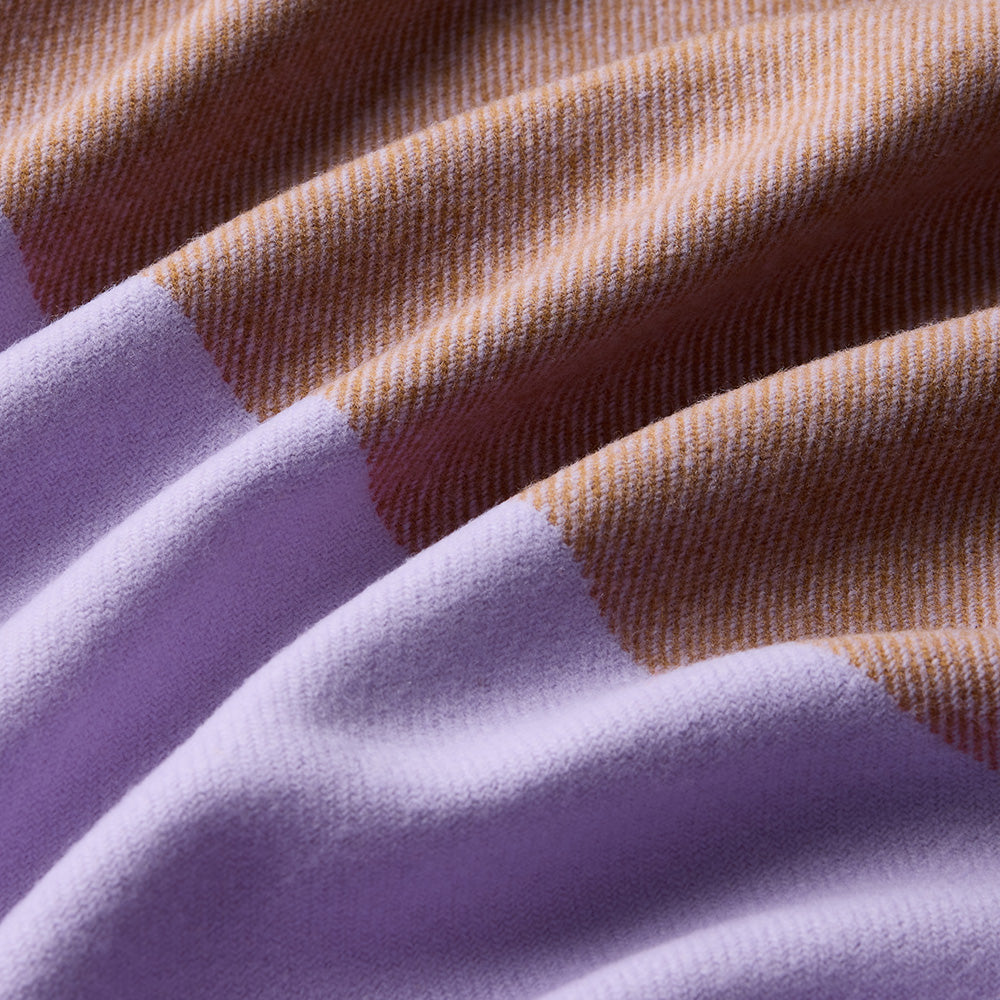
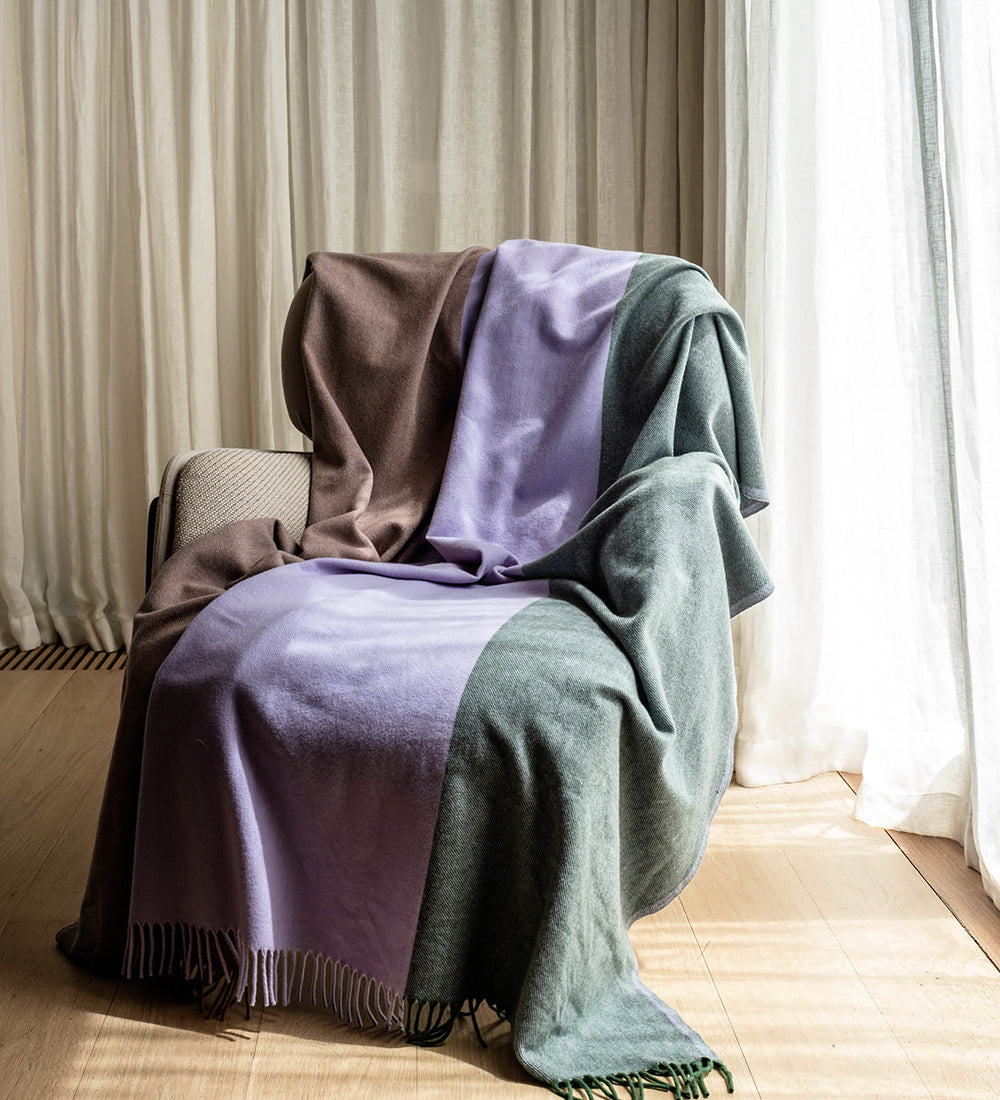
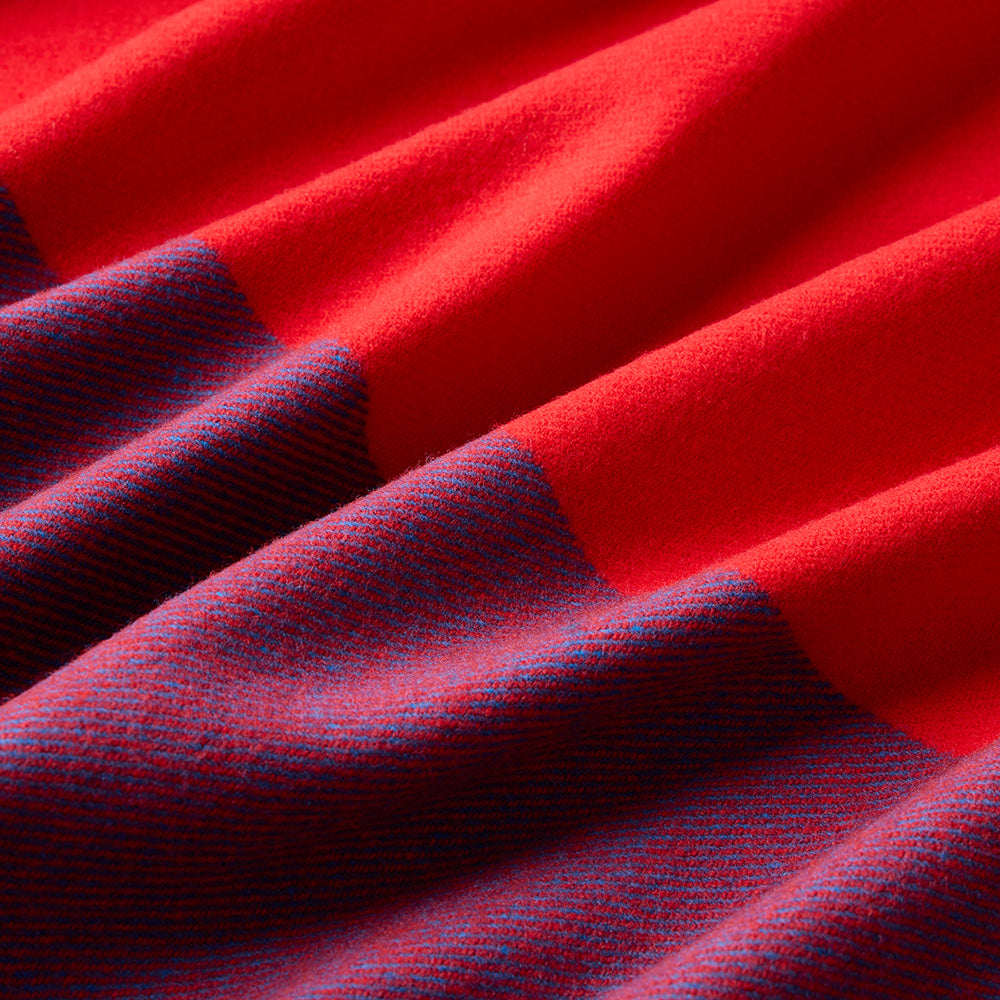
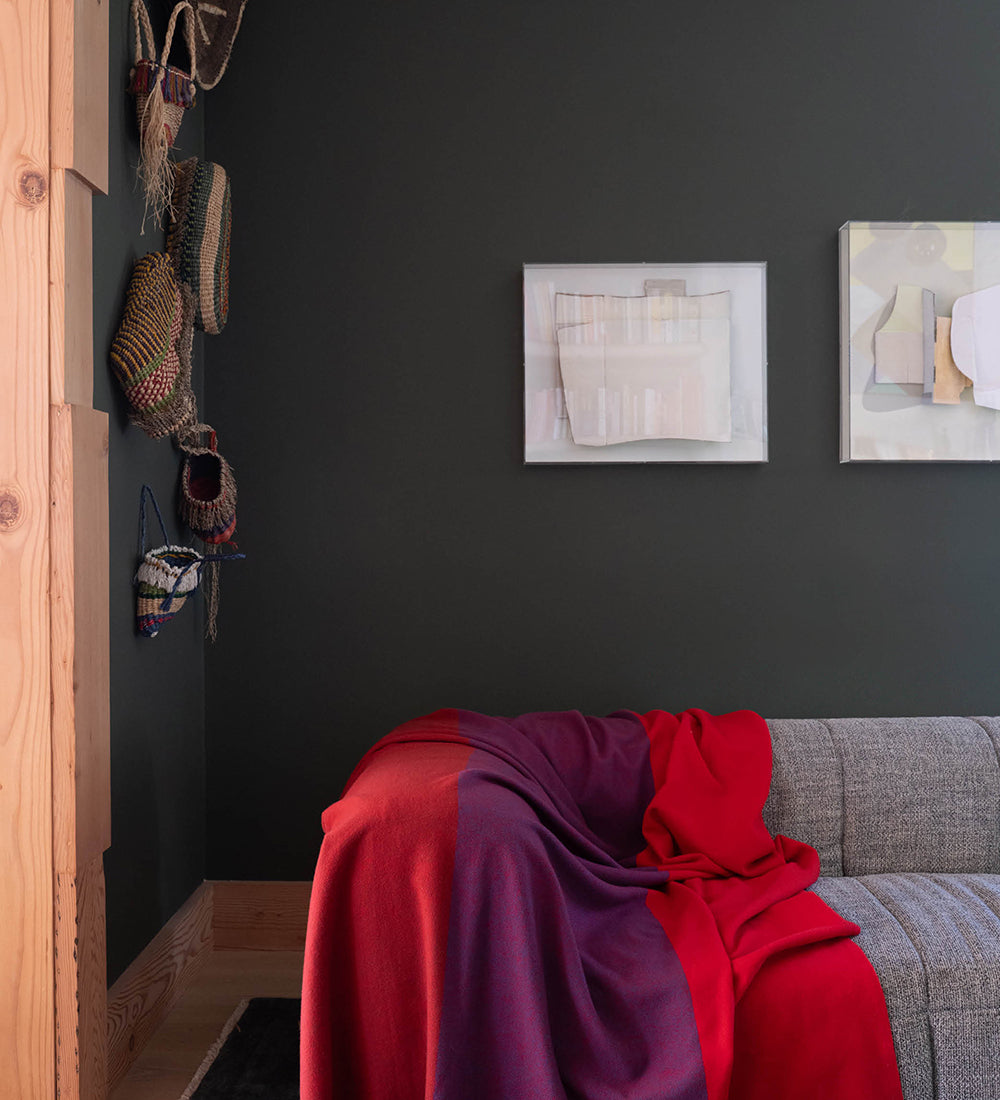
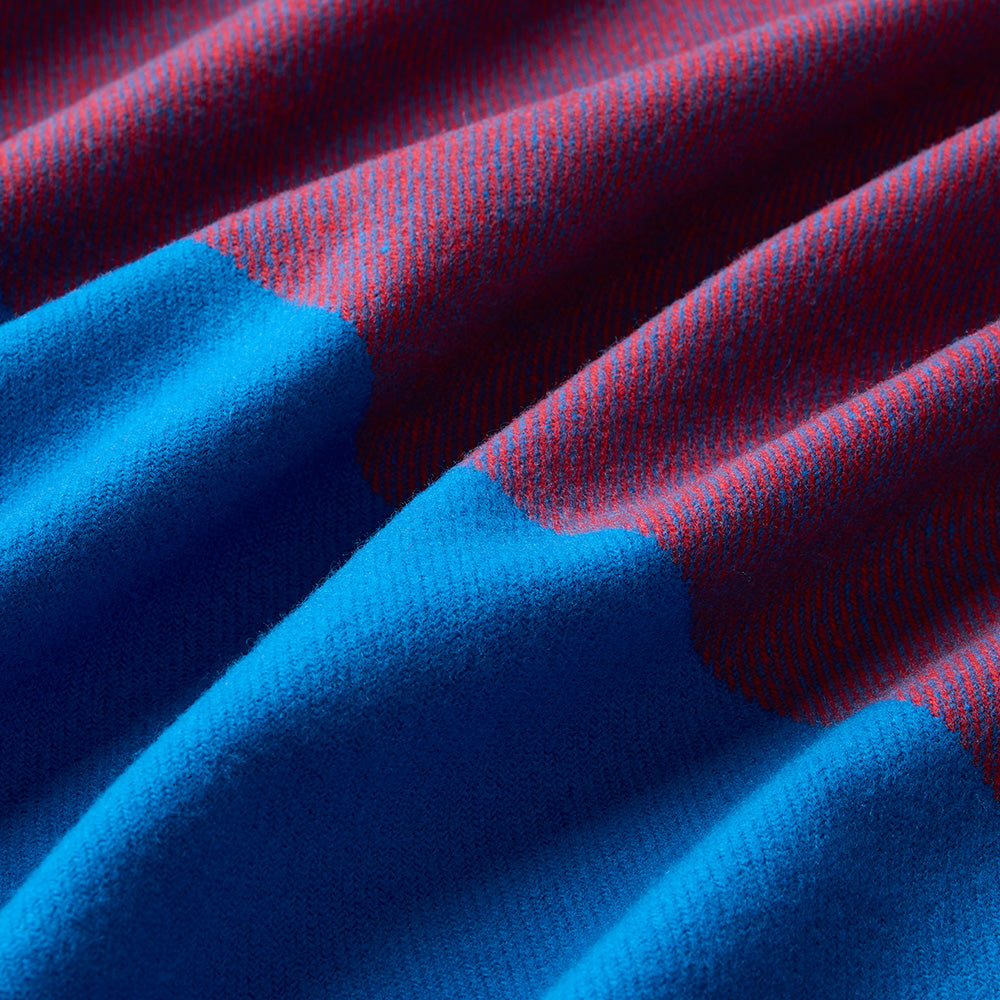
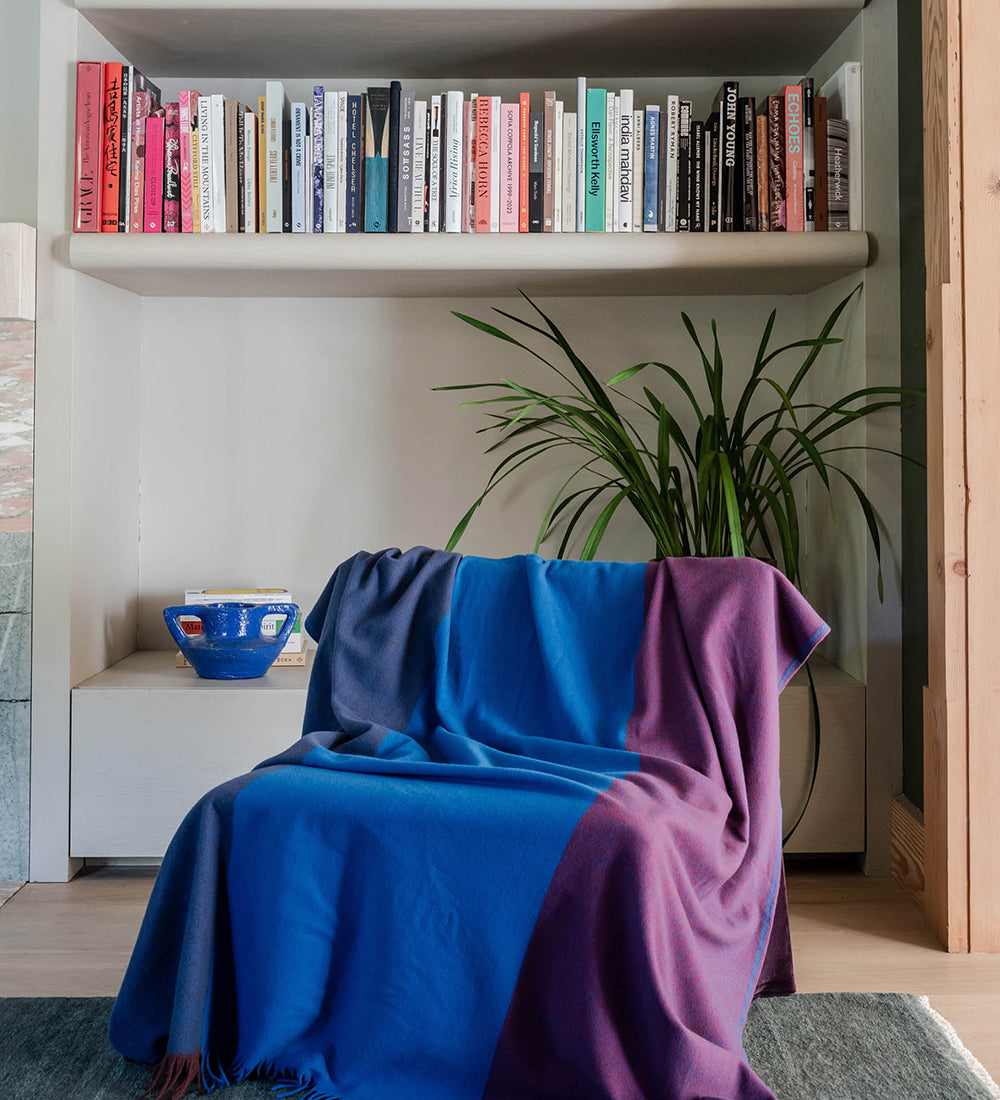
GENEVIEVE SMART × WAVERLEY MILLS

Cart 0

Congratulations! Your order qualifies for free shipping You are $149.00 AUD away from free shipping.
Sorry, looks like we don't have enough of this product.

Pair with
Add order notes
Subtotal Free
View cart
Shipping, taxes, and discount codes are calculated at checkout

Why Australian Merino Wool feels so different and why it’s considered among the softest wool in the world

AUTHOR: Yvonne Pflieger — PUBLISHED: March 24, 2026

Why Australian Merino Wool feels so different and why it’s considered among the softest wool in the world

Australian Merino Wool will change your idea of softness – discover why Australian wool is world-renowned for quality

Most people think they understand wool. They picture thick fisherman sweaters, traditional knitwear, or sturdy blankets - warm and durable, but perhaps a little rustic.

Unlike traditional wool, Australian merino wool is known for its exceptional softness, fine fiber diameter, and premium quality.

Australian merino wool tells a very different story - one defined by softness, refinement, and world-class fiber quality.

Australia produces around 70–80% of the world’s fine apparel wool, and the fiber is renowned for something many people do not expect from wool at all: exceptional softness making Australian merino wool the global benchmark for luxury wool textiles.

The finest Australian merino fibers are so fine they can feel almost weightless against the skin, often compared to cashmere - yet with the strength and resilience wool is famous for - a unique combination that sets Australian merino wool apart from other wool types.

This softness is not accidental. It is the result of two centuries of careful breeding, remarkable landscapes, and precise fiber science.

Tasmanian wool – the epitome of softness & warmth in Australian merino wool

At the edge of the Southern Ocean, Tasmania – Australia’s remote island state – boasts clean air, rugged landscapes and a cool climate, perfect for growing the finest merino wool on the planet. Here, we often joke that our neighbors are more likely to be sheep than humans (with 5x more sheep than people living here). At Waverley Mills, we source most of our wool from farms 'just up the road' from the Mill, and complete the entire milling and weaving process on site.

These unique environmental conditions help produce some of the finest Australian merino wool available today.

We are truly merino wool obsessed and we hope you will be, too.

The science of softness: Understanding microns in Australian merino wool

The softness of wool is measured by fibe diameter, expressed in microns. A micron is one millionth of a meter. The smaller the micron number, the finer and softer the wool. For perspective:

Slide image

Australia specializes in producing fine merino wool between roughly 14 and 22 microns, making it one of the most sought-after fibers for luxury garments and textiles and a key reason why Australian merino wool is known for its exceptional softness.

The finer the fiber, the softer the touch. Fine fibers bend gently against the skin, rather than prickle. The result is wool that feels smooth, light and comfortable - even on bare skin making Australian merino wool ideal for blankets, throws, and everyday comfort.

It is softness born from precision – Merino sheep carefully bred over generations by Australian farmers who specialize in producing consistent, beautifully fine fleece while looking after their flock well.

Here in Tasmania, we’re particularly renowned for producing exceptionally fine merino wool.

Slide image

Why Tasmania produces exceptional wool

Tasmania sits at the edge of the Southern Ocean, just north of Antarctica. Its cool climate, clean air and reliable rainfall create ideal conditions for growing fine merino wool.

Across the island, sheep graze on sustainably managed, renewable pastures that flourish in Tasmania’s temperate environment. These cool climate grasslands contribute to producing fleece that is fine, strong and consistent.

Tasmania’s wool story also includes one remarkable historical figure. In the early 1800s, Eliza Furlong, a pioneering farmer, travelled across Saxony in Germany collecting some of the world’s finest merino sheep genetics. She brought these sheep to Tasmania, where their bloodlines helped establish the island’s global reputation for producing exceptionally fine wool.

Two centuries later, Tasmania remains one of the world’s most respected sources of high-quality fine merino fiber further strengthening Australia’s reputation as a global leader in merino wool production.

Warmth without weight

Merino wool possesses a natural crimp, a subtle wave within each fiber that traps tiny pockets of air. These air pockets create insulation while keeping the fabric remarkably lightweight.

The result is warmth without heaviness. Comfort without bulk. Ease without compromise.

A finely woven merino throw drapes elegantly. It feels generous yet light. It warms gently, without overwhelm.

This balance - insulation paired with lightness - is one of merino’s most remarkable qualities and a key reason why Australian merino wool is ideal for premium blankets and throws.

Fiona Lynch X Waverley Mills

Nature’s own climate control

Merino is not simply warm - it is adaptive.

Its fiber structure allows it to absorb moisture vapour (up to around 30% of its own weight) without feeling damp. It releases that moisture gradually into the air, helping regulate temperature naturally.

This means merino:
• Retains warmth in cooler conditions
• Breathes when temperatures rise
• Wicks moisture away from your body
• Resists odor naturally due to its keratin and lanolin

It is a fiber designed by nature to respond to climate, to movement, to life making Australian merino wool both practical and luxurious for everyday use.

Wool: the world’s most recyclable (and biodegradable) fiber

Wool is one of nature’s most remarkable renewable materials. Sheep naturally regrow their fleece each year.

Unlike many synthetic fibers, wool can be recycled multiple times before the fibers lose their structural integrity - often through six or seven cycles of re-spinning and weaving.

This ability to be reused again and again makes wool uniquely suited to circular textile production.

At the end of its life, wool returns gently to the earth as it is completely biodegradable, leaving no trace and returning nutrients to the earth.

By comparison, many synthetic textiles can remain in landfill for hundreds of years.

Wool simply returns to the land it came from.

Responsible farming practices, traceable supply chains, and careful stewardship of land ensure that merino remains one of the most sustainable premium fibers available making Australian merino wool a preferred choice for environmentally conscious consumers.

A fiber crafted to become an heirloom

At Waverley Mills, we weave Australian merino into throws, blankets and wearables designed to last for decades, and generations to become a true heirloom piece. One that grows softer with use, and that carries warmth through seasons and years.

Australian merino challenges expectations.

It is lighter than many people imagine.
Softer than many people expect.
And more enduring than most fibers available today.

Tasmanian wool - A fiber of refinement

Australian merino wool is often described in one word: refined.

• Refined softness.
• Refined weight.
• Refined performance.
• Refined finish.

From Tasmania, at the edge of the world, comes wool that quietly redefines what natural fiber can be.

It does not shout for attention. It reveals itself slowly - through touch, warmth, years of use.

We’re very proud of what we produce, and we want the world to experience the finest wool and craftsmanship. Discover our collections today and bring a piece of Tasmania into your home with our Australian merino wool blankets and throws, crafted for lasting comfort and quality.

Related Reading