
Wool Care Guide: How to Wash, Clean & Store Wool Blankets
Congratulations on purchasing a beautifully crafted Australian wool product. Whether it’s a luxurious blanket, a cozy throw, an outdoor picnic rug, or a timeless scarf, you’ve made a wonderful investment in quality, comfort, and durability. Wool is a natural, sustainable material that can last for generations with proper care. With just a little extra care, your Australian-made wool products will continue to offer comfort and style for many years. By following this wool care guide, you’ll learn how to wash, clean, and store your wool blankets, throws, and scarves so they stay soft, beautiful, and long-lasting.
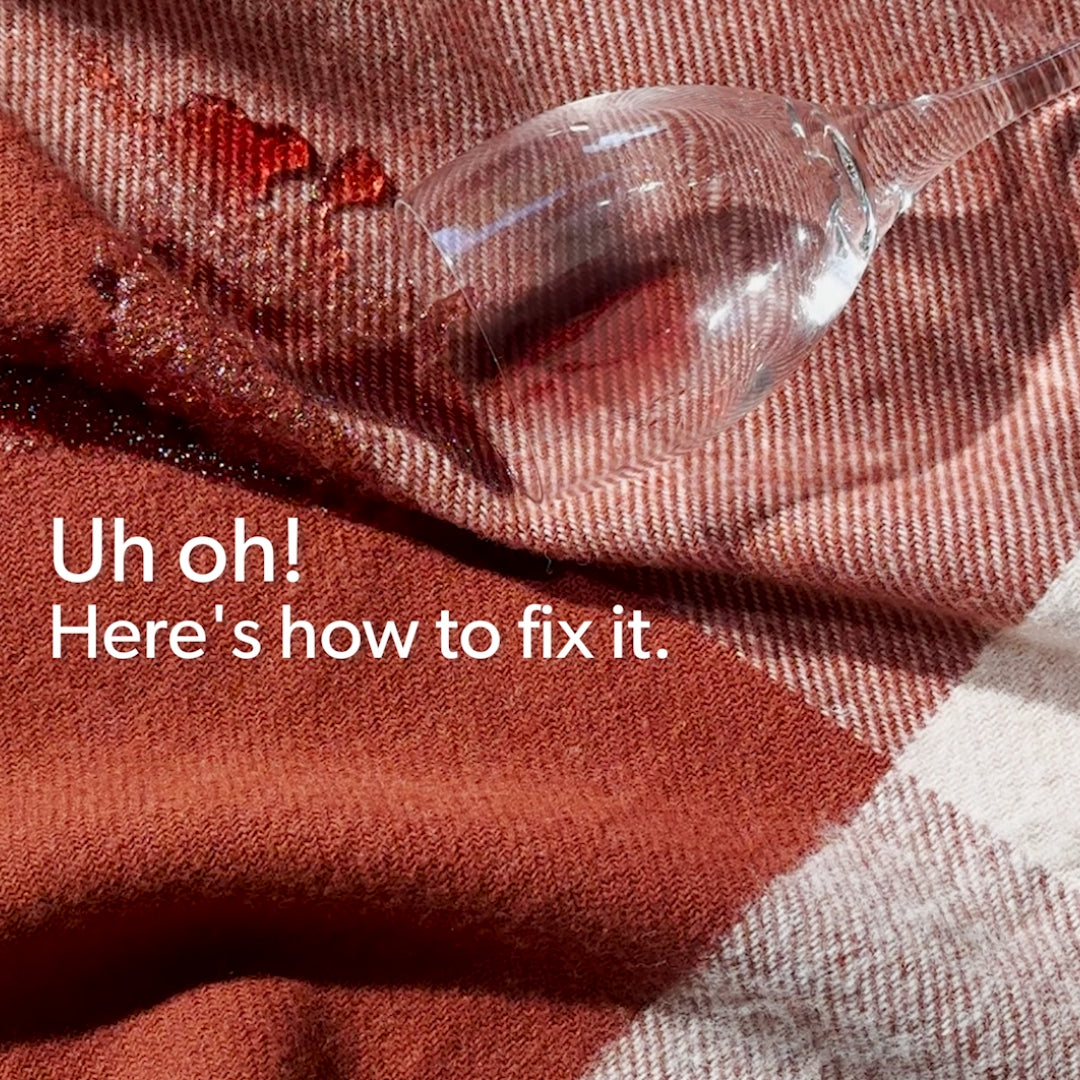
1. Spot Cleaning Wool Blankets & Throws: Act Quickly, Care Gently
While wool is naturally resilient, it’s important to act quickly when spills or stains occur to prevent any lasting damage. Timely spot cleaning, when done properly, can help maintain the softness, shape, and natural beauty of your wool item.
How to Spot Clean Wool
Blot gently, never rub.Use a clean, dry cloth to gently blot the stain—avoid rubbing or scrubbing, which may cause the fibres to distort. Blotting will help absorb the excess liquid without damaging the delicate wool fibres.
Use lukewarm water. Fill a basin or sink with lukewarm water, ensuring it is below 40°C, as heat can adversely affect wool. Add a small amount of wool-specific detergent—preferably mild and designed for fine fabrics. A gentle detergent will help cleanse the fabric without stripping it of its natural oils.
Immerse carefully. Take care not to rub or wring the wool, as such actions can distort its structure and cause it to lose shape. Allow the water to move through the fibres to gently lift the stain away.
Rinse with cool water and dry with care. Pat the damp area gently with a dry towel to absorb excess moisture. To dry, lay the wool item flat on a clean, dry towel, allowing it to air dry naturally in a warm, well-ventilated space.
Tip: For delicate wool items, always test any cleaning solution on a small, inconspicuous area before applying it to the stain.
2. Washing Your Wool: Gentle and Effective Care
To ensure that your woollen items maintain their exceptional qualities, special attention is required when washing. The key is to handle your wool products with care, taking steps to prevent shrinkage, felting, or damage to the fibres while keeping wool blankets and throws soft.
Machine Washing Wool
Use a hand wash or wool setting only. Most washing machines come equipped with a dedicated wool cycle designed to offer a gentle wash. If your machine includes this setting, it is best to use it, as it helps to minimise agitation and prevent damage to wool blankets and scarves.
Select a light spin option. This setting operates at a slower speed, which helps to gently extract excess water from the wool without causing harm to the fibres.
Use a wool-specific laundry detergent. Always choose a mild or gentle detergent free of harsh chemicals such as bleach, enzymes, or fabric softeners, as these can strip away wool’s natural oils (lanolin) that keep it soft and resilient.
Hand Washing Wool
Fill a basin with lukewarm water, not exceeding 40°C (104°F) and add a small amount of wool detergent. Hot water can damage the fibres, causing shrinkage or distortion.
Gently submerge the woollen item. Place the wool product into the basin and gently agitate the water with your hands to release any dirt.
Rinse thoroughly with cold water. After washing, remove any detergent residue to prevent it from affecting the softness of the fabric.
Press, don’t wring. To remove excess water, press the fabric gently and then lay flat on a clean, dry towel—avoid wringing, as this can distort the shape of the wool. Rolling the towel can also help absorb moisture more quickly.
Drying Wool
Lay your wool product flat on a clean towel to dry, reshaping it gently while damp to restore its original form.
Never tumble-dry wool. Heat can cause shrinkage and damage the fibres. Always allow wool products to air dry naturally, ideally in a well-ventilated space away from direct sunlight or heaters.
Caring for Alpaca, Superfine and Supersoft Merino
Avoid machine washing. Even with a delicate or hand wash cycle, we recommend not machine washing these finer wool items, as they are more delicate.
Air to refresh your woollens. They can often be refreshed simply by airing them outside or hanging them in a steamy bathroom. The moisture in the air helps to restore the fibres.
Spot clean wherever possible. For spills or stains, use lukewarm water with a wool wash, immerse the area, and gently move the water with your hands. Pat dry and lay flat to dry in a warm area. For stubborn stains, professional dry cleaning is recommended.
Tip: Always use a wool-specific detergent and follow the manufacturer's instructions for best results
3. Dry Cleaning Wool
Wool and other fine fibres such as Alpaca, Superfine Merino, and Supersoft Merino require careful handling during dry cleaning to preserve their softness, shape, and overall quality. If you are choosing to dry clean your woollens, such as wool blankets, throws, or luxury scarves, we’ve provided a guide for doing it the right way, so you can keep loving your woollens for seasons to come.
Check Care Labels
Before you begin, always read the item’s care label for specific instructions. Most wool and fine fibre garments will recommend dry cleaning, but it’s important to verify any special handling instructions to avoid shrinkage or fibre damage.
Select the Right Dry Cleaner
Select a professional dry cleaner experienced with fine wool and specialty fibres. Look for one that uses gentler, eco-friendly solvents (such as silicone-based solvents) rather than harsh chemicals that can strip the wool’s natural oils and reduce softness.
Identify the Fabric Types
Inform the dry cleaner about the specific fibres (e.g., 18-micron wool, Alpaca, Merino) to ensure they use appropriate techniques and solvents. Clear communication helps prevent mistakes when treating delicate wool items.
By following these steps, your woollens including blankets, throws, and scarves can be cleaned safely and effectively at the drycleaners without compromising their quality, softness, or appearance.
4. Storing Your Wool: Protect for Seasons to Come
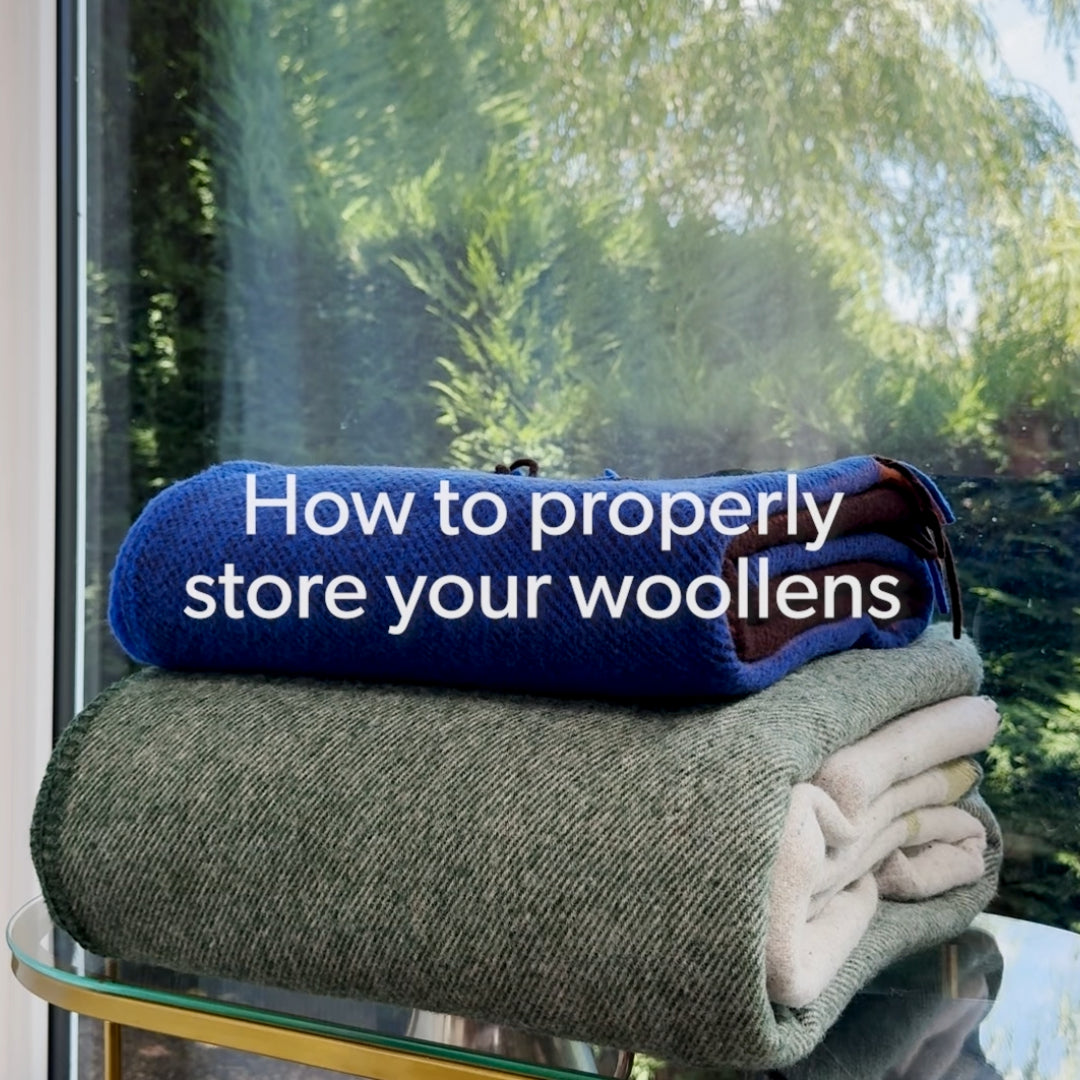
Proper storage is essential to maintaining the quality and longevity of your woollen items. Here are a few tips to ensure they stay in perfect condition:
How to Store Wool
Keep it clean. Before storing your wool items, make sure they are clean and free of any stains that could attract pests, such as moths, which may cause irreversible damage. Always wash or dry clean before long-term storage to keep wool blankets and throws safe.
Choose breathable storage option. Wool needs to breathe, so store your blankets, throws, cushions, or scarves in cotton storage bags or boxes with ventilation rather than plastic, which can trap moisture and cause mould.
Avoid hanging. This can stretch the fibres, so always fold them neatly and store them flat in a cool, dry place away from direct sunlight or damp areas.
Protect from moths! Wool is a natural fibre that can attract pests, especially moths. Natural repellents such as wood shavings or lavender sachets can be placed inside the storage bags, or even directly with your wool items, to maintain their freshness and ensure they remain pest-free. Avoid chemical mothballs, which can leave odours and damage delicate fibres.
Tip: If storing wool for long periods, consider placing it in the freezer for 24 hours prior to storage. This will eliminate any potential moth larvae or eggs that might be hidden in the fibres, giving you added peace of mind.
5. Common Wool Care Mistakes to Avoid
To ensure that your woollen products stay in excellent condition for years to come, it’s essential to avoid a few common mistakes that can compromise the integrity of the fabric. This is especially important for wool blankets, throws, and scarves. Here are some key points to keep in mind:
Using hot water. Hot water can cause wool to shrink or felt. Always use cold or lukewarm water (below 40°C) when washing or spot cleaning wool blankets and clothing.
Using harsh detergents or fabric softeners. Regular laundry detergents can strip wool of natural oils. These oils help wool maintain its softness, resilience, and water-repellent properties. For the best care, always select a wool-specific detergent formulated to protect the fibres and preserve their natural properties.
Tumble-drying. Never place your wool products in the dryer. The heat can shrink and distort wool fibres.
Storing in plastic. Plastic storage can trap moisture, leading to mildew or mould. Always opt for breathable storage options, such as cotton storage bags or a cotton pillowcase. These will allow your wool items to remain dry, well-ventilated, and protected from damage. This keeps wool dry, ventilated, and safe from long-term damage.
Need Assistance?
If you have any questions about caring for your wool items, our friendly customer service team is always here to help.
FAQ
How often should I wash a wool blanket or throw?
Unlike cotton, wool doesn’t need frequent washing. Most wool blankets only need a full wash once or twice a season. In between, you can refresh them by airing outdoors or hanging in a steamy bathroom.
What is the best detergent for wool?
Always use a wool-specific detergent that is pH neutral and free from bleach, enzymes, and fabric softeners. These protect the lanolin oils that keep wool soft and resilient.
Can I iron wool blankets, throws, or scarves?
Yes, but use a low-heat wool setting with steam, and place a pressing cloth between the iron and the fabric to avoid shine or damage.
Can I use fabric softener on wool?
No. Fabric softeners coat the fibres and break down wool’s natural lanolin oils, leaving it less soft and durable over time.
Can I put a wool blanket in the sun to dry?
It’s best to avoid direct sunlight for long periods, as it can fade colours and weaken fibres. Dry flat in the shade or indoors with good airflow.
Explore our Wool Collection
Tasmanian Made since 1874