
Tartan has always been more practical than people imagine.
Long before it became associated with clans, ceremony or heritage, tartan was simply a woven structure designed for everyday life. A way of creating durable cloth that could travel across landscapes, withstand weather and endure years of use.
Its origins were functional.
At Waverley Mills, that practical history is what interests us most.
Tasman Tartan began not as an exercise in nostalgia, but as a question. What might tartan look like if it were designed here? Not in the Scottish Highlands, but in Tasmania. Not centuries ago, but now.
The answer became a collection shaped by a different landscape. 
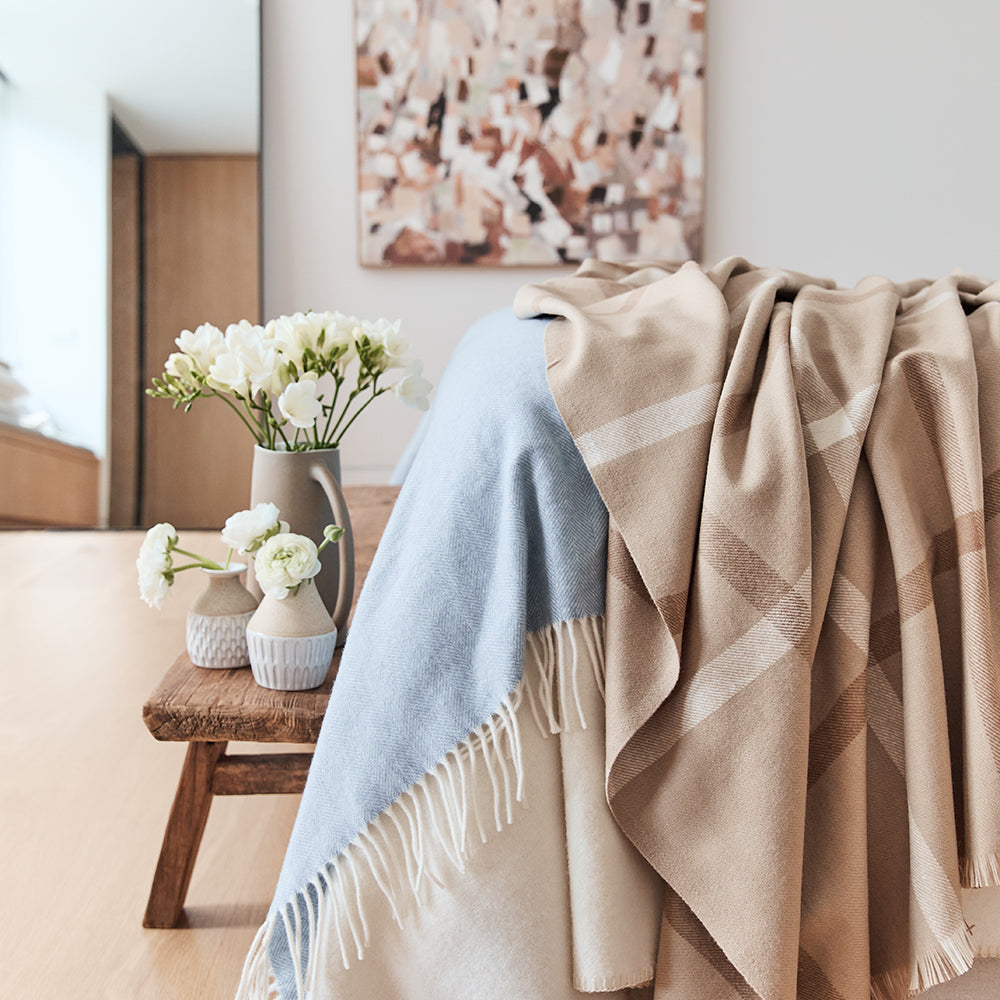
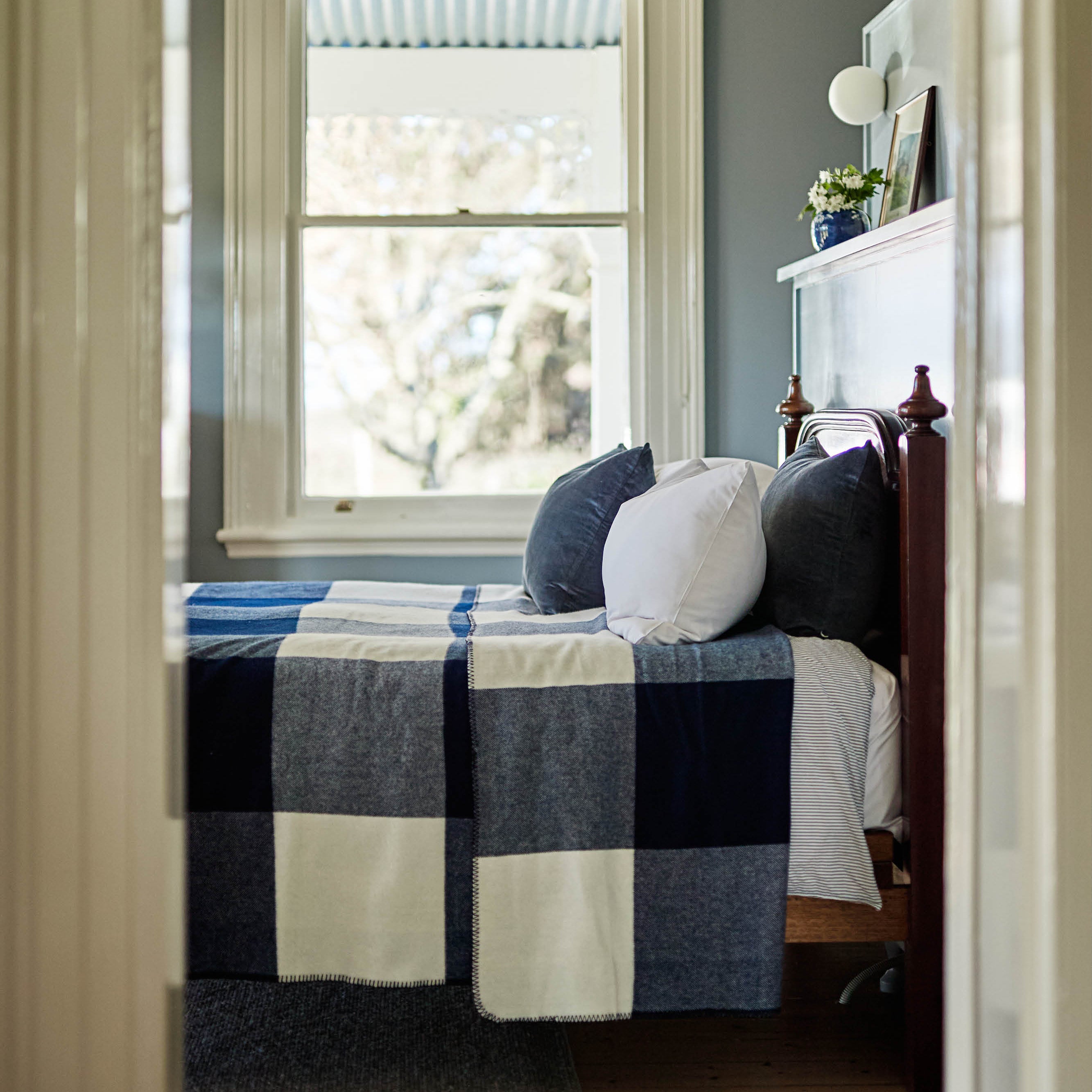
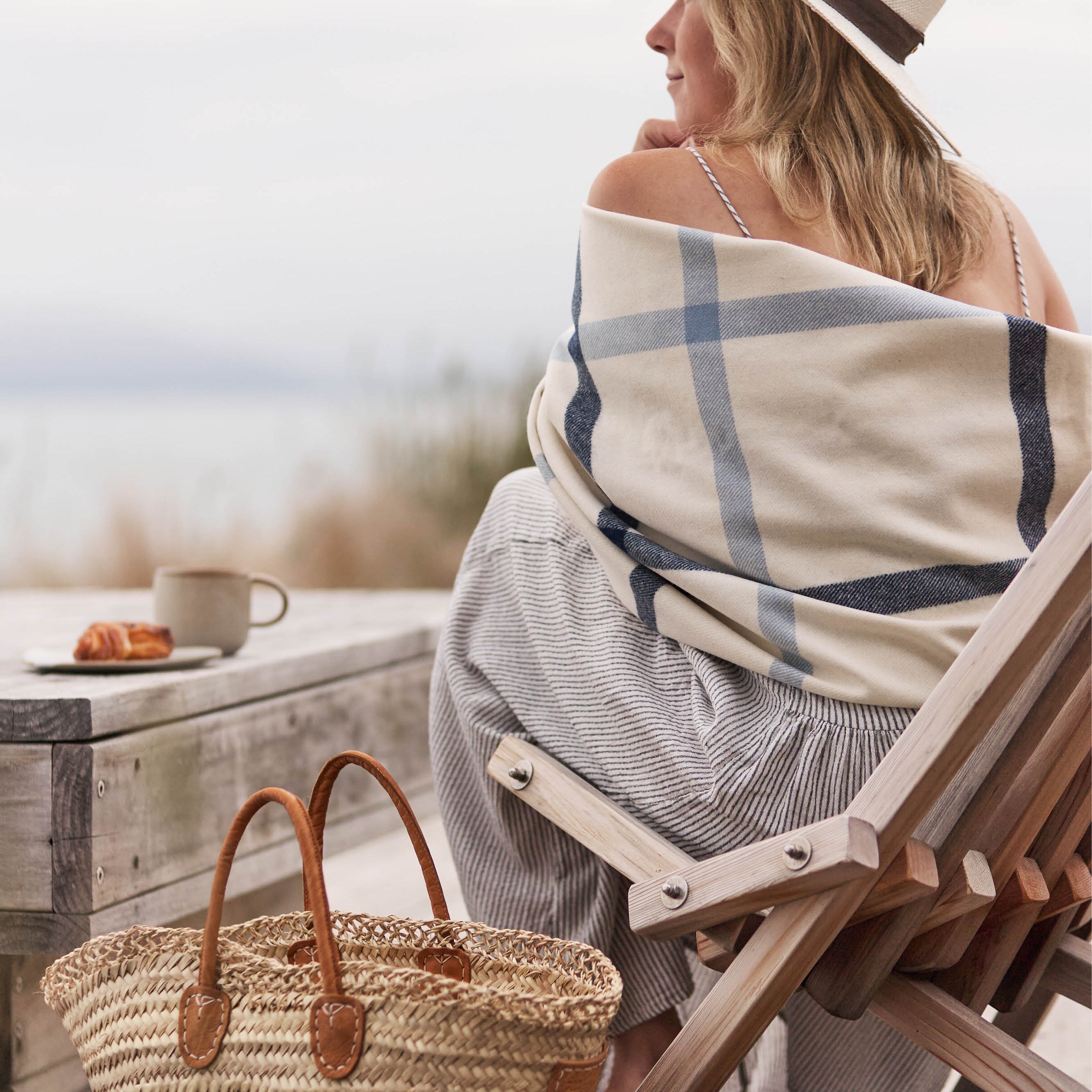
Tasmania is an island defined by weather. Light shifts constantly. Interiors tend to favour natural materials. Objects are expected to work hard. A blanket may move between bedroom and living room. A scarf might be worn through four seasons in a single day.
Within those conditions, tartan begins to behave differently.
The strong contrasts and formal structures often associated with traditional tartans soften. Colours become quieter. Utility becomes more important than symbolism. The pattern remains, but the interpretation changes.
Tasman Tartan draws on more than 150 years of weaving knowledge at our Launceston mill, while recognising that good design should continue to evolve. Heritage matters, but only when it remains relevant to the way people live today.
The result is a tartan shaped by Tasmania.
Restrained in colour.
Practical in purpose.
Designed not to dominate a room, but to belong within it.
Because the best objects are rarely the loudest.
They are the ones that quietly earn their place over time.