Baby Blanket Sale | 20% off 

Congratulations! Your order qualifies for free shipping You are $149.00 AUD away from FREE shipping within Australia.

Cart 0

Congratulations! Your order qualifies for free shipping You are $149.00 AUD away from free shipping.
Sorry, looks like we don't have enough of this product.

Pair with
Add order notes
Subtotal Free
View cart
Shipping, taxes, and discount codes are calculated at checkout

How Layering Can Help You Sleep More Comfortably During Perimenopause

AUTHOR: Nikki Thomas — PUBLISHED: October 14, 2026

How Layering Can Help You Sleep More Comfortably During Perimenopause

Insights from pharmacist, nutritionist, menopause practitioner and author Sarah Gray.

For many women, sleep is one of the first things to change during perimenopause.

Nights that once felt restorative can become interrupted and unpredictable. Falling asleep may take longer. Staying asleep can become harder. And changing body temperature can mean waking hot one moment and cold the next.

While hot flushes and night sweats are often among the symptoms associated with menopause, sleep can be affected by a much broader combination of hormonal and lifestyle changes.

So, to explore what may help create a more comfortable night's sleep, we spoke with Sarah Gray, a dual-qualified pharmacist and nutritionist and certified menopause practitioner whose work focuses on practical, science-based approaches to perimenopause and menopause. Sarah has more than 25 years of experience in the health and wellness industry and is a recognised voice across radio, print, digital media and podcasts.

She is also the author of It's Not You, It's Perimenopause, a guide to navigating perimenopause through nutrition, lifestyle and supplement strategies, with an emphasis on practical, evidence-based approaches to midlife health.

How Does Perimenopause Affect Sleep?

When it comes to sleep, Sarah says disruption is incredibly common throughout the menopause transition.

"Women may find it harder to fall asleep, wake frequently through the night, or wake very early and struggle to get back to sleep. Hot flushes and night sweats can contribute, but changes in mood, stress and other symptoms can also affect sleep quality."

Rather than looking for a single solution, creating a sleep environment that can adapt to changing needs throughout the night can be a useful place to start.

And one of the simplest ways to introduce that flexibility is through layering.

Slide image

Why Do Temperature Changes Disrupt Sleep During Perimenopause?

Sleep and body temperature are closely connected, which is why hormonal changes can be felt so keenly at night.

As Sarah explains:

"Our body naturally cools as we prepare for sleep, so temperature regulation is closely connected with good-quality sleep. During perimenopause and menopause, hormonal fluctuations can affect the body's thermoregulation, meaning you can suddenly feel intensely hot, sweat and then feel cold afterwards."

Those fluctuations can be enough to wake you or make it difficult to settle back to sleep.

The challenge isn't necessarily feeling too hot or too cold. It's moving between both throughout the same night.

Why Is Layering Better Than One Heavy Doona?

When temperatures fluctuate, flexibility becomes important.

Many people instinctively reach for a heavier doona when they feel cold. While warmth has its place, Sarah suggests adaptability can be more useful than relying on a single heavy layer.

"Layering gives you flexibility. Instead of being trapped underneath one heavy doona, you can easily add or remove a layer as your temperature changes throughout the night."

Layering allows you to make small adjustments without completely remaking the bed or waking yourself more than necessary.

For the bed itself, the Wellington Wool Blanket is the heaviest in the Waverley Mills range, while the lightest of the blanket range is the Herringbone Blanket.

Having a choice of weights means you can match your bedding to the way you sleep. A lighter blanket suits warmer sleepers, or nights when hot flushes are more frequent. A heavier one offers extra warmth for those who feel the cold, including that chill that can follow a night sweat. Some people keep both on the bed, using them together on cooler nights and folding one back when they need less.

Slide image

Is Wool a Good Choice for Changing Night-Time Temperatures?

A comfortable sleep environment isn't simply about staying warm.

For women experiencing changing temperatures throughout the night, breathable materials can help create a more adaptable sleep environment.

Sarah notes that natural fibres can play a useful role:

"Natural fibres such as wool can be useful because they're breathable and can help manage moisture and temperature around the body."

Rather than thinking about wool simply as something for cold winter nights, consider it as one component of a flexible, layered bed. You can learn more about the Benefits of Wool as a Natural Fibre.

Waverley Mills' wool blanket collection includes both Merino and recycled wool blankets, with a variety of weights, colours and finishes designed for layering across the seasons.

Not sure what kind of sleeper you are? Take our quick Sleep Temperature Quiz to discover your sleep temperature and find the kind of bedding that may suit the way you sleep.

Discover Wool Blankets

The goal isn't necessarily to stay warm all night. It's to stay comfortable as conditions change.

How Does Sarah Gray Layer Her Own Bed?

Like many women navigating perimenopause, Sarah prefers having options within reach.

"I like having options rather than one very heavy layer. I use lighter, breathable bedding and then have an additional layer that I can easily pull on or push off during the night."

A throw folded across the foot of the bed is a simple way to introduce the kind of flexible additional layer Sarah describes.

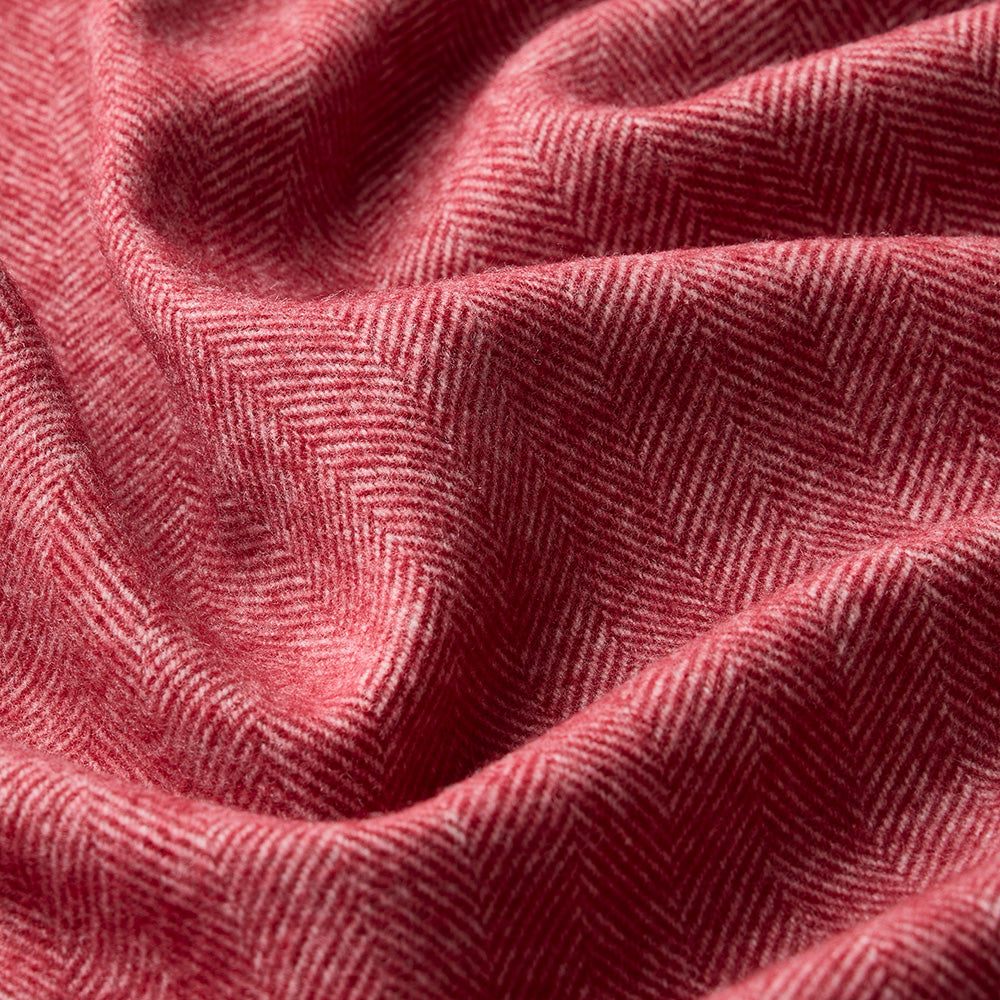
For a lighter-looking layer, consider a Summer Plaid Throw, currently available in three colours, or the classic Herringbone Throw, which is available in a wide variety of colours within the current Waverley Mills throw collection.

Herringbone Throws

Slide image
 
Herringbone Throw in Dusty Pink

Herringbone Throw in Dusty Pink

$299.00 AUD
+15
18 colours
Slide image
 
Herringbone Throw in Burgundy

Herringbone Throw in Burgundy

$299.00 AUD
+15
18 colours
Slide image
 
Herringbone Throw in Chutney

Herringbone Throw in Chutney

$299.00 AUD
+15
18 colours
Slide image
 
Herringbone Throw in Spice

Herringbone Throw in Spice

$299.00 AUD
+15
18 colours

What Can Help You Sleep Better During Perimenopause?

There's no single solution for better sleep during perimenopause, but Sarah recommends starting with practical factors you can control:

  • Keep your bedroom at a comfortable temperature
  • Choose breathable bedding and sleepwear
  • Build flexibility into your bedding through layers
  • Be mindful of caffeine and alcohol
  • Aim for a consistent sleep routine where possible

Most importantly, Sarah encourages women not to dismiss persistent sleep problems as something they simply have to accept.

"Don't assume that poor sleep is something you simply have to put up with during perimenopause or menopause."

If sleep problems persist or are significantly affecting your day, Sarah recommends speaking with a healthcare professional about what else may be contributing and the treatment options available.

FAQ

Why does perimenopause affect sleep?

Hormonal fluctuations during perimenopause can affect how the body regulates temperature, which can mean feeling suddenly hot, sweating, and then feeling cold. Changes in mood, stress and other symptoms can also make it harder to fall asleep, stay asleep, or get back to sleep after waking early.

Can layering help with nighttime temperature changes?

Yes. Layering lets you add or remove a blanket or throw as your temperature changes, rather than being stuck under one heavy doona. That means you can make small adjustments without remaking the bed or waking yourself more than necessary.

Is wool a good choice for women who get hot at night?

Natural fibres such as wool are breathable and can help manage moisture and temperature around the body, according to pharmacist and menopause practitioner Sarah Gray. Used as one layer in a flexible bed, rather than as a single heavy cover, wool can suit changing night-time temperatures.

What bedding is best during perimenopause?

Lighter, breathable bedding with an additional layer within easy reach. A wool blanket or a throw folded at the foot of the bed can be pulled up or pushed off during the night as your temperature changes.

When should I see a doctor about sleep problems during perimenopause?

If sleep problems persist or significantly affect your day, talk with a healthcare professional. Poor sleep isn't something you simply have to put up with during perimenopause or menopause, and there may be other contributing factors and treatment options to discuss.

Final Thoughts

Perimenopause and menopause can bring unexpected changes, and every woman's experience is different.

Creating a more comfortable sleep environment doesn't necessarily mean finding one perfect doona, blanket or temperature. Instead, it can mean giving yourself the flexibility to respond as your comfort changes throughout the night.

Breathable bedding. Lighter layers. An extra wool blanket or throw within reach.

Small adjustments can make your bedroom feel more adaptable to you, whatever the night brings.

Slide image

World Menopause Day Giveaway

To mark World Menopause Day, Waverley Mills is partnering with Sarah Gray to give away a signed copy of her book, It's Not You, It's Perimenopause, plus a Waverley Mills Summer Plaid Throw in Sandy Bay and Frame Cape by Genevieve Smart in Axis Olive.

A celebration of comfort, care and practical support for women navigating perimenopause and menopause.

Related Reading